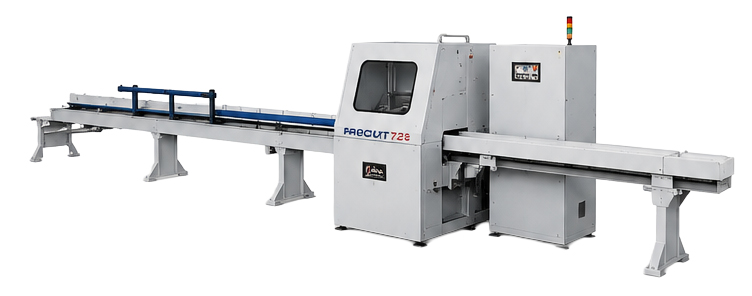
Diehl ProCut 725
Diehl ProCut 725 High-Speed Crosscut Saw The Diehl Machines ProCut 725 is a high speed cro…

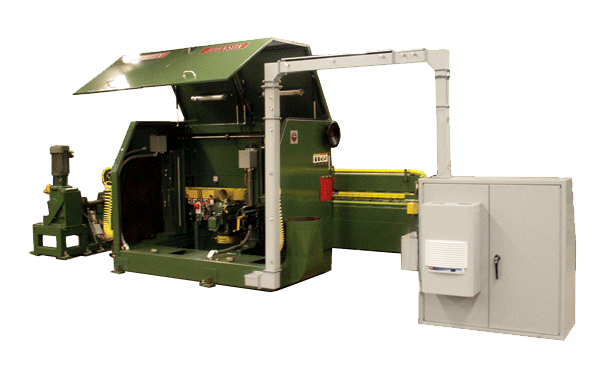
The Mereen-Johnson Single End Tenoner is a panel raising machine and cabinet door profiling machine in one — a 900 Series push through tenoner built for high-precision raised-panel door production. Each part loads into a fixture and is carried through the machine under positive containment, so this raised panel door machine holds tight tolerances on every cope, profile, and raised panel — whether you’re running to order or in small custom batches, in wood, composites, or other materials.
Our Tenoners are designed for high production runs while simultaneously providing the flexibility of variable sizes & small-batch runs. Ideal for panel raising, outer door profiling, contouring, & much more. Whether you work with wood, composites or other green resources, Mereen-Johnson Single-End Tenoners are up for the task.
Specifications
Heavy frame construction, fixture containment and linear rail technology provides greater precision than feed through machines.
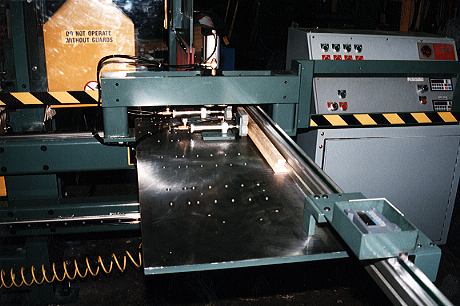
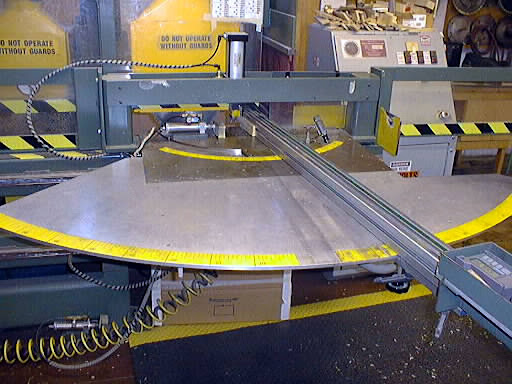
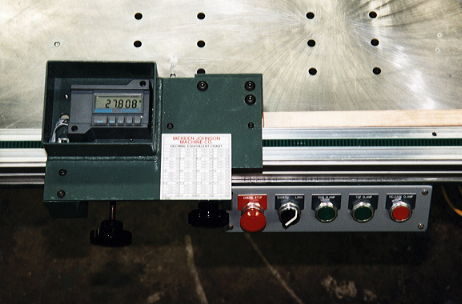
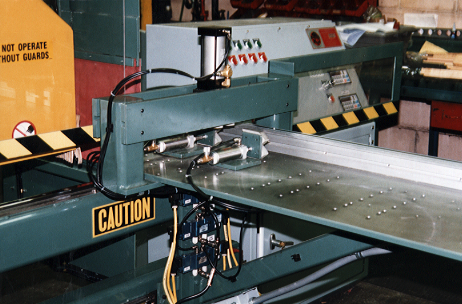
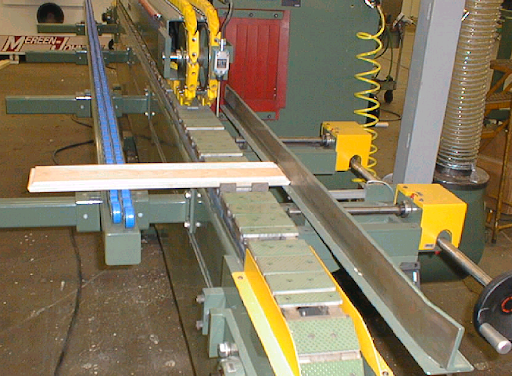
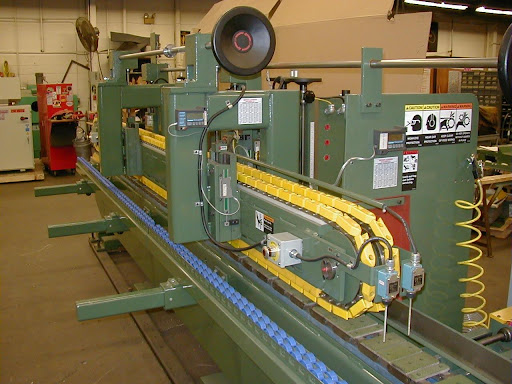
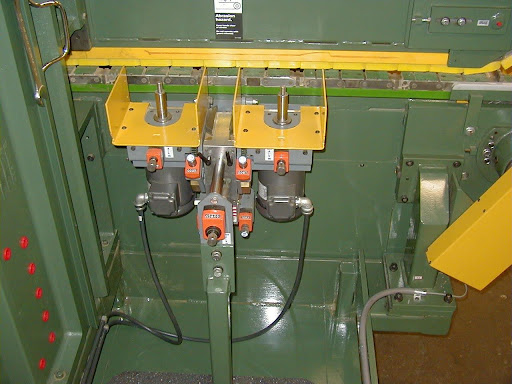
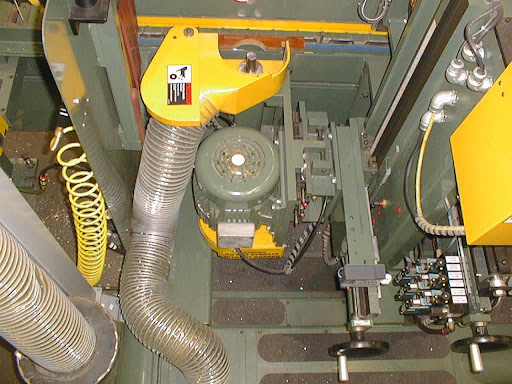
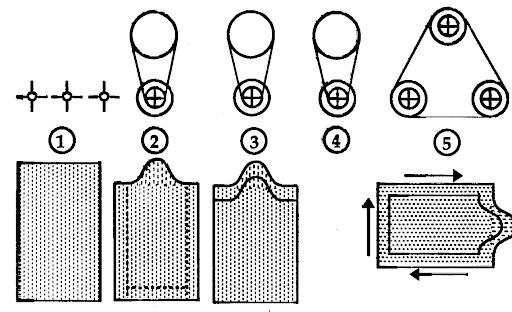
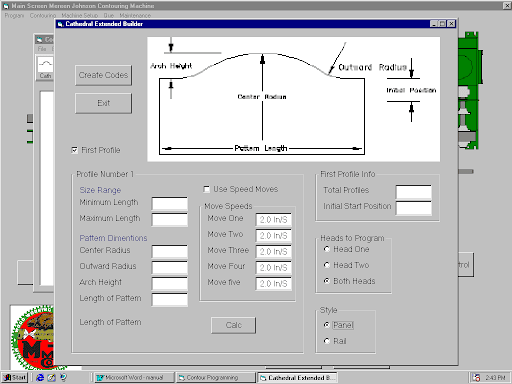
Automatic Program creation of standard Arches, Cathedral, Flat Top, and Eyebrow contours through simple dimensional data input.
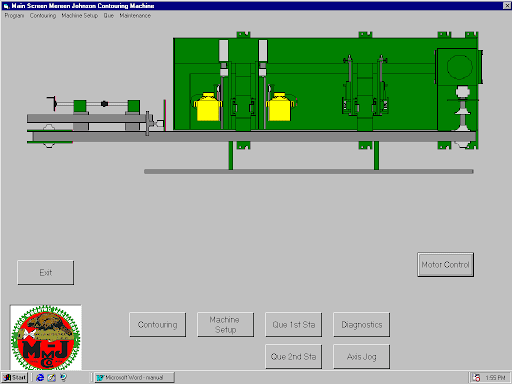
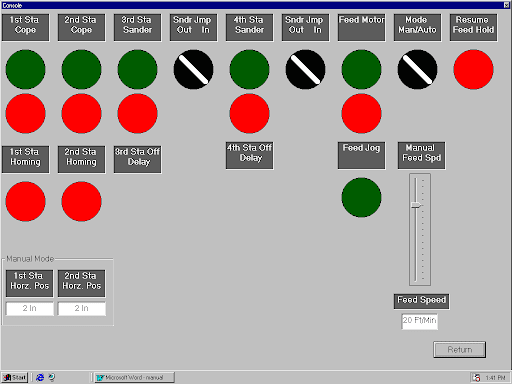
Automation & Robotics
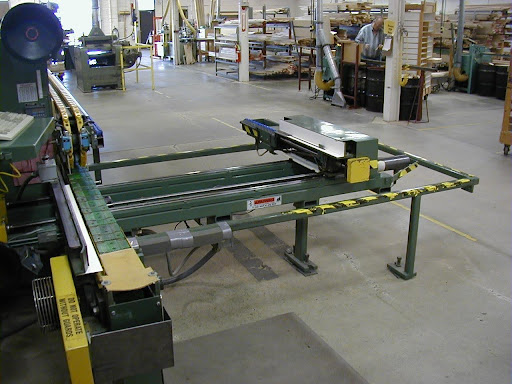
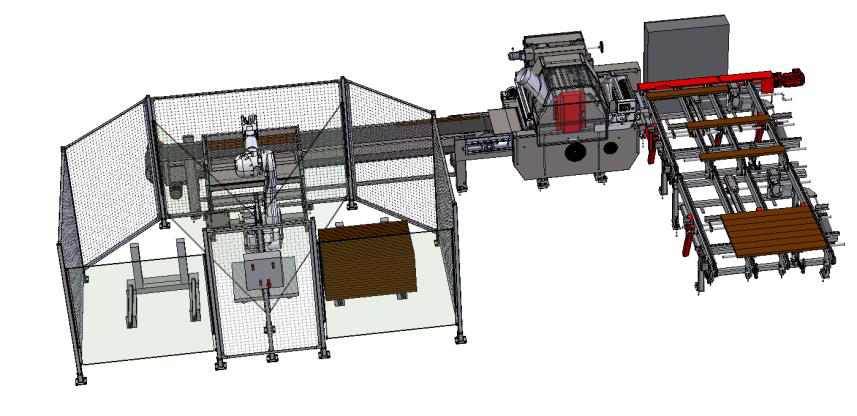
Mereen-Johnson stands at the forefront of delivering cutting-edge automated handling solutions that will streamline your workforce and wood machinery assets. Our smart, automated handling solutions are meticulously crafted to enhance your machine throughput and efficacy while substantially trimming your labor expenses.
Our complete spectrum of services ranges from conceptualization and design of production lines to installation, personnel training and ongoing maintenance, and we cater to a wide array of client requirements, offering both standardized system solutions and fully personalized options to suit your specific needs.
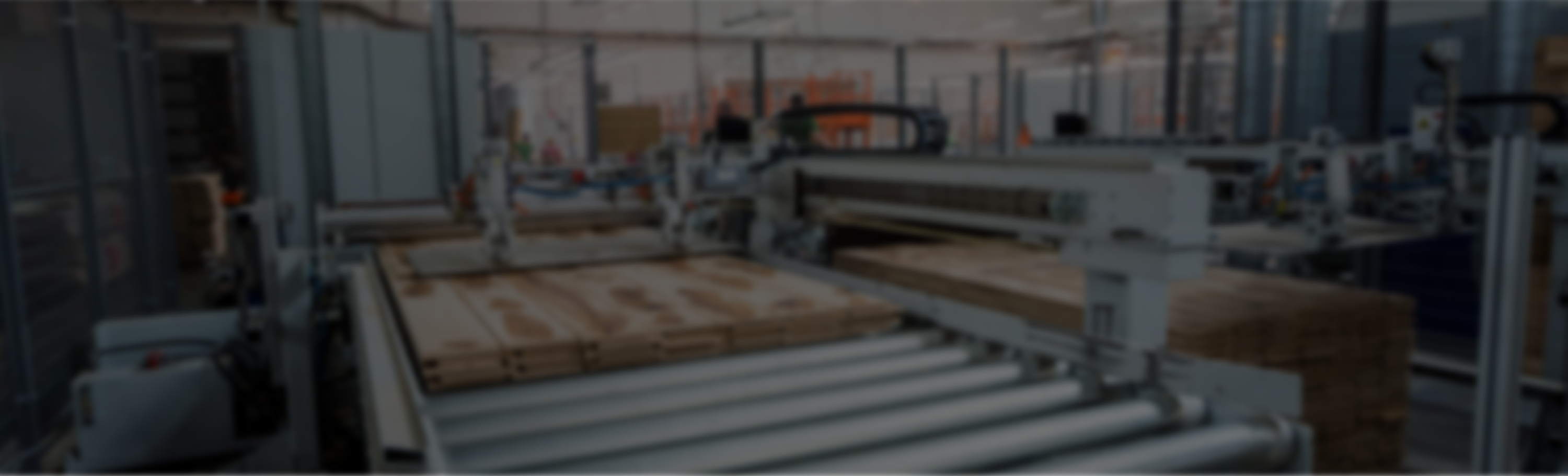
Vertically integrated manufacturing in the USA means we control every step of the process to deliver the performance and longevity that the industry has grown to expect from us.
Listening to your specific needs, we will adapt a standard machine or develop a fully custom solution, including automation and robotics, and manufacture it in-house.
Our state-of-the-art production space has room to build, test and prove large-scale design solutions. Design-build teams work together to make your custom concept a reality.
We will always support your machine. From training programs to replacement parts, schematics to software support, we’ve got you covered, remotely or onsite.
Diehl ProCut 725 High-Speed Crosscut Saw The Diehl Machines ProCut 725 is a high speed cro…
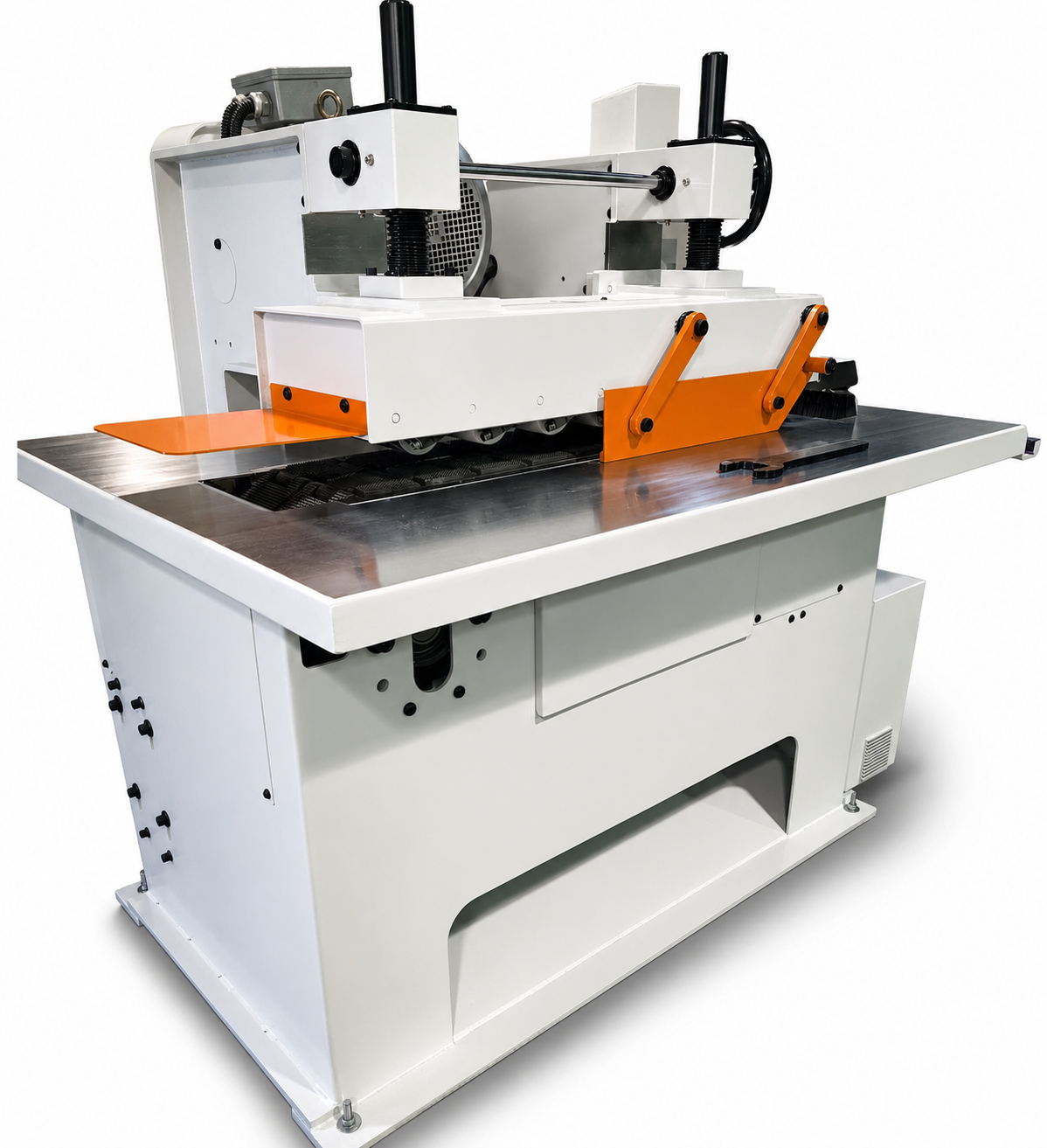
All the Diehl quality, and glue line edge, with a new low cost. The NEW ESL-35 Straight Li…
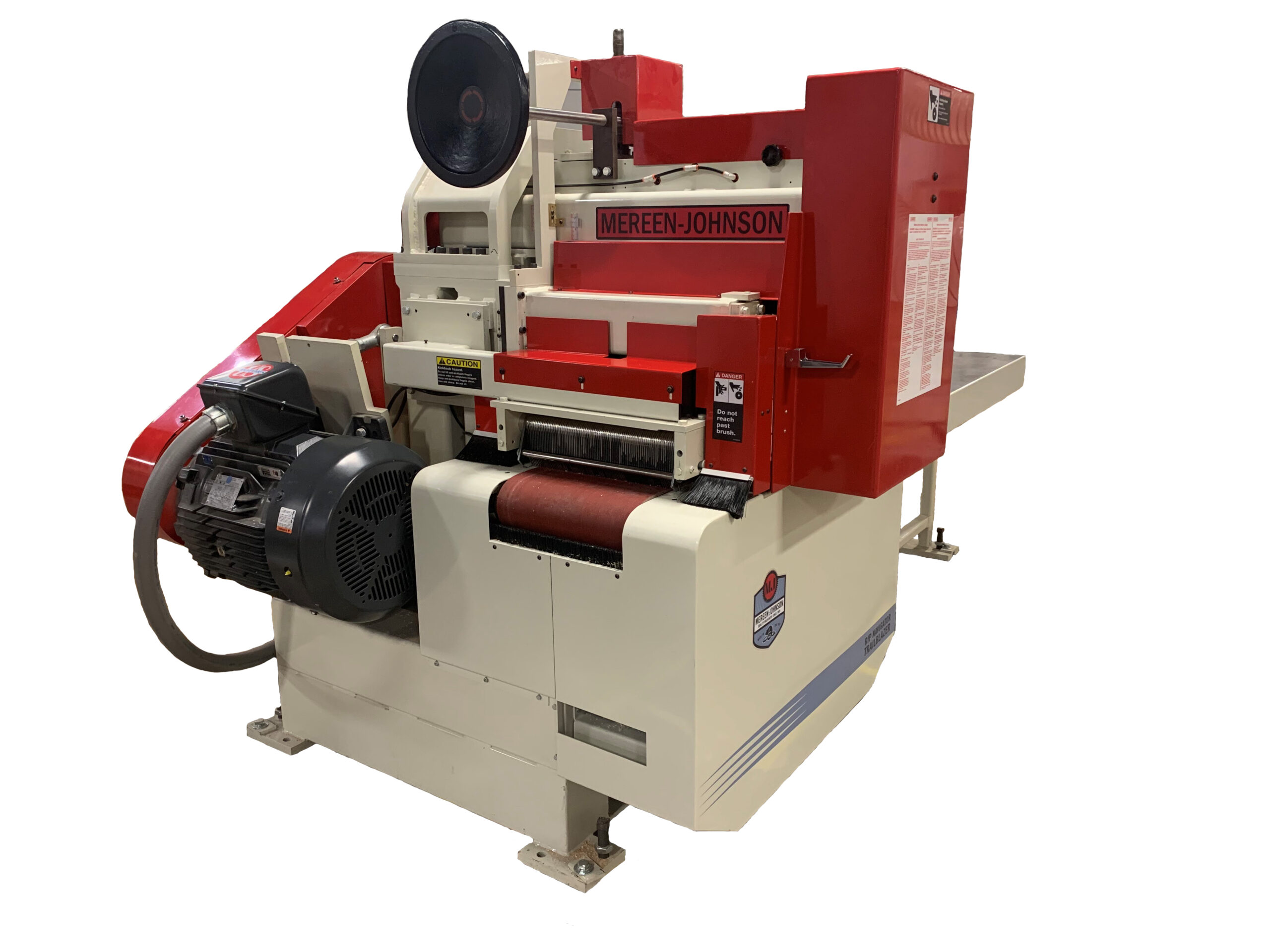
Model 5300 “Select-A-Rip”™ Rip Sawwith Rip Navigator™ Trailblazer The Model 5300 with Rip…
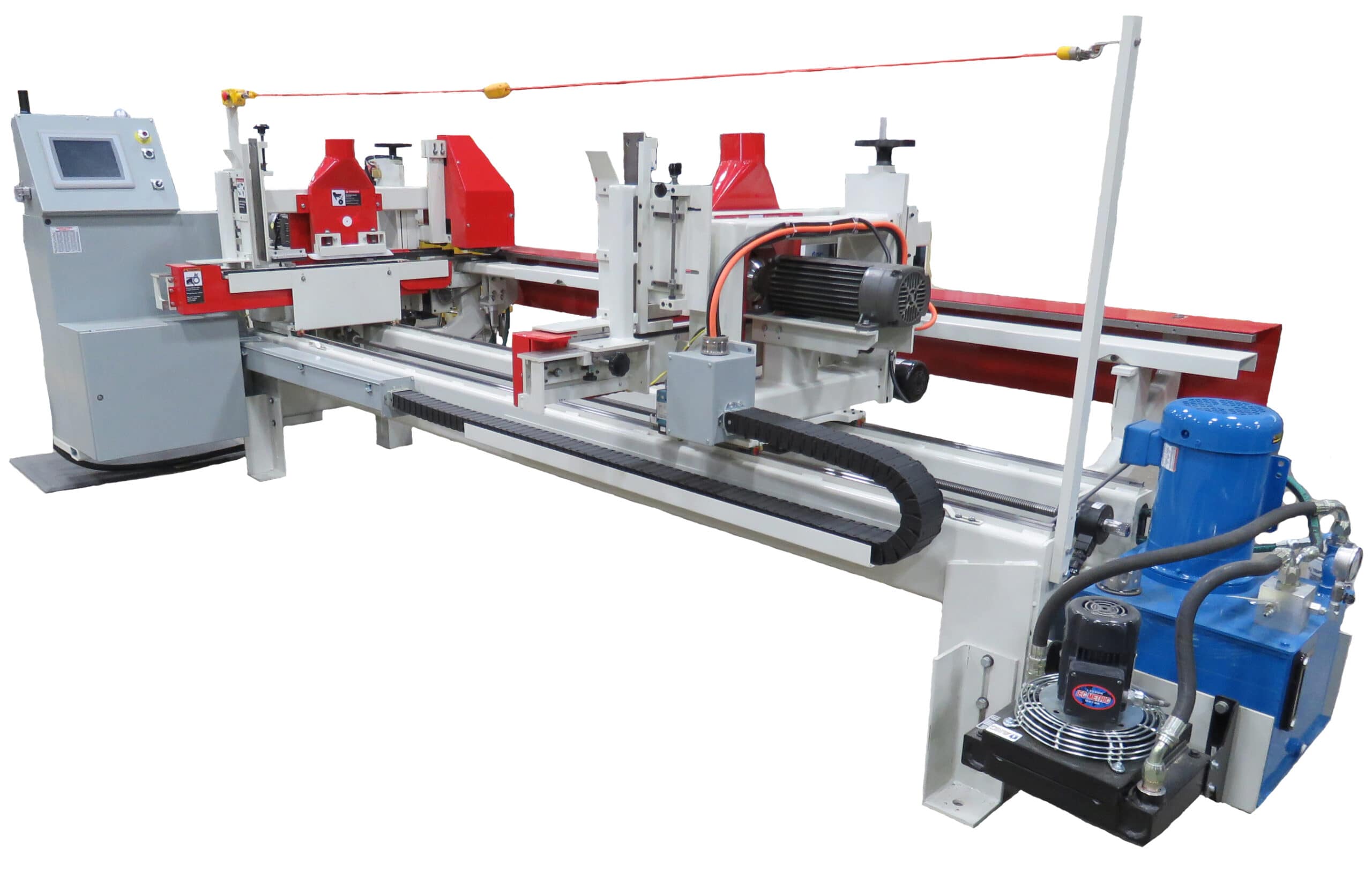
The Mereen-Johnson 110 Equalizer is a cut to length machine that trims and squares parts a…
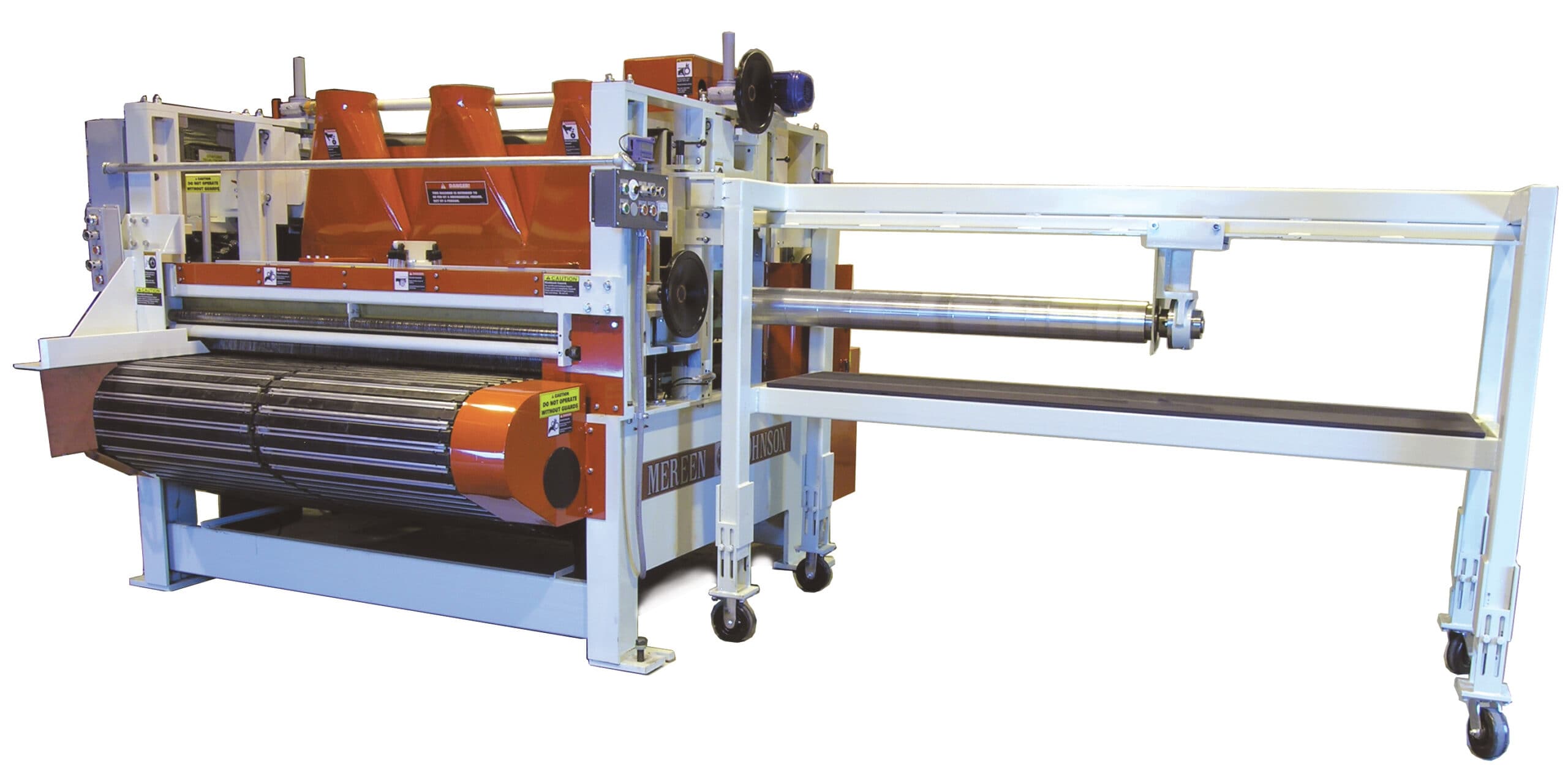
The Mereen-Johnson 435 is a custom-engineered panel saw for high-production ripping, cross…
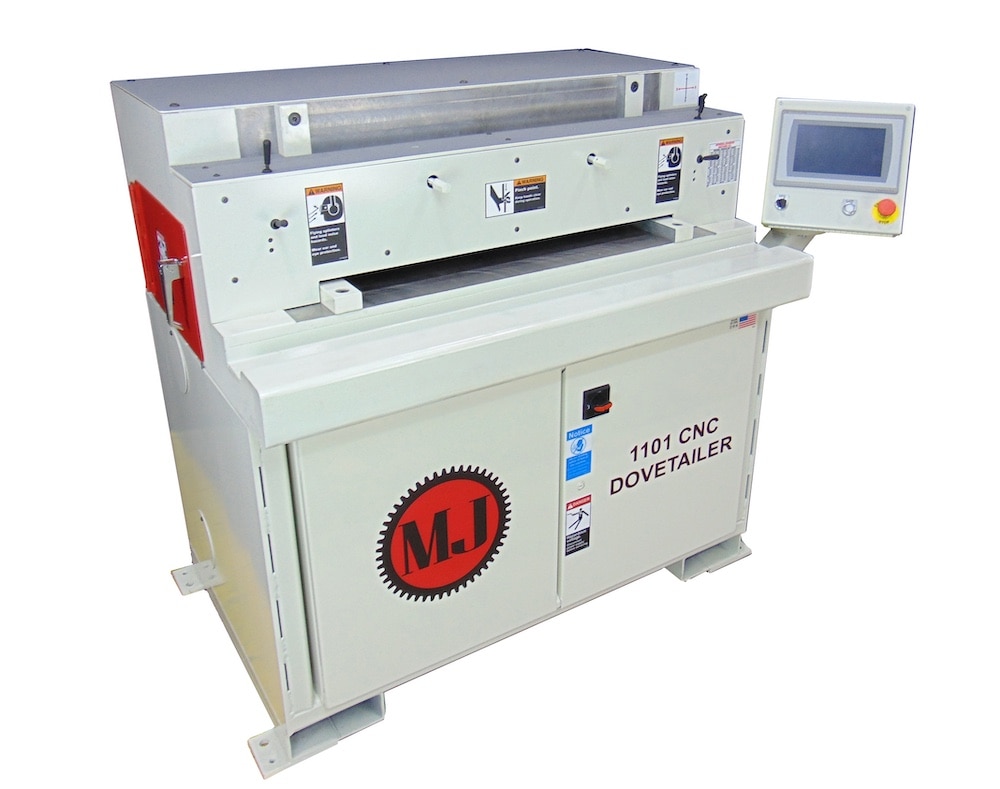
The Mereen-Johnson 1101 is a single spindle dovetailer that cuts half-blind dovetails, box…
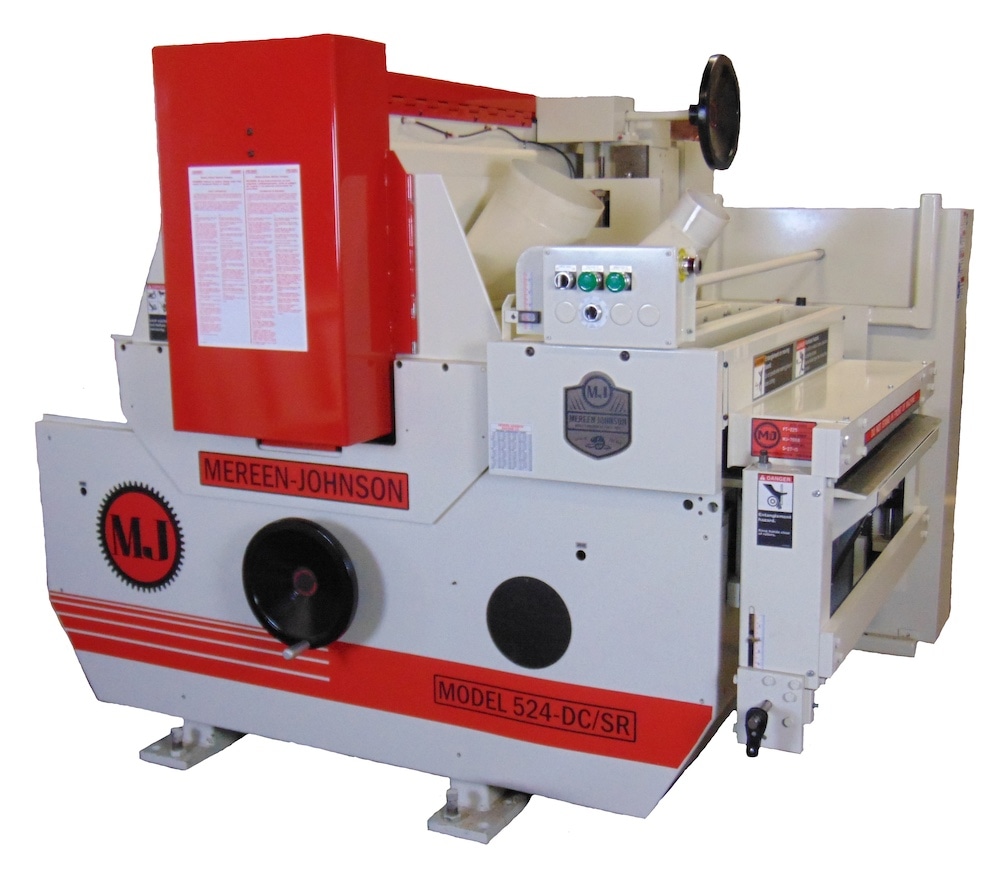
The Mereen-Johnson 500 Series is a Select-A-Rip gang saw built for maximum yield and flexi…
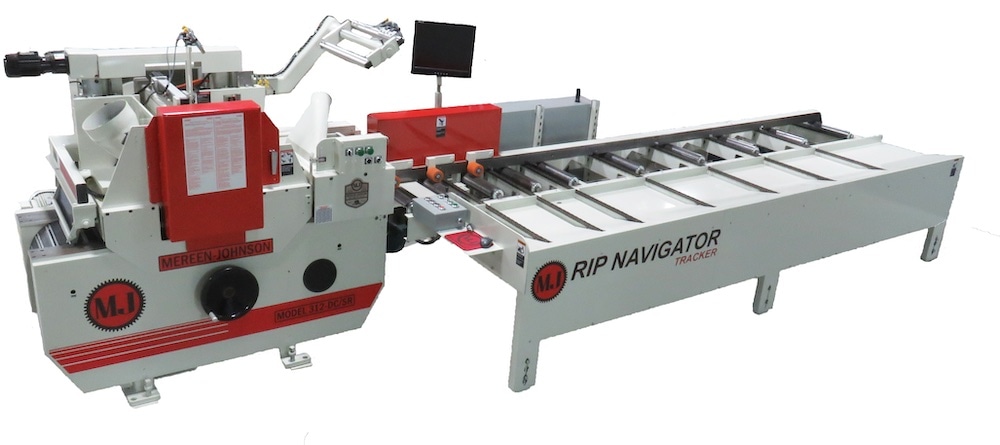
The Rip Navigator Tracker is a compact rip optimizer that brings automated Select-Rip yiel…
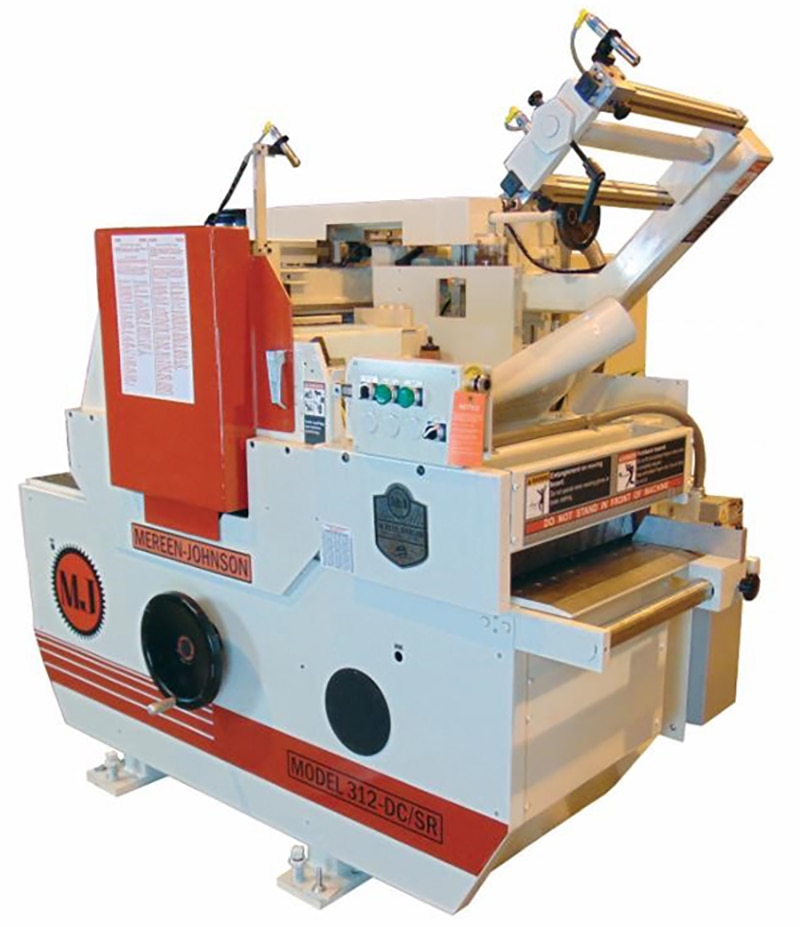
The Mereen-Johnson 300 Series rip saw is an affordable, entry level gang rip saw built as…
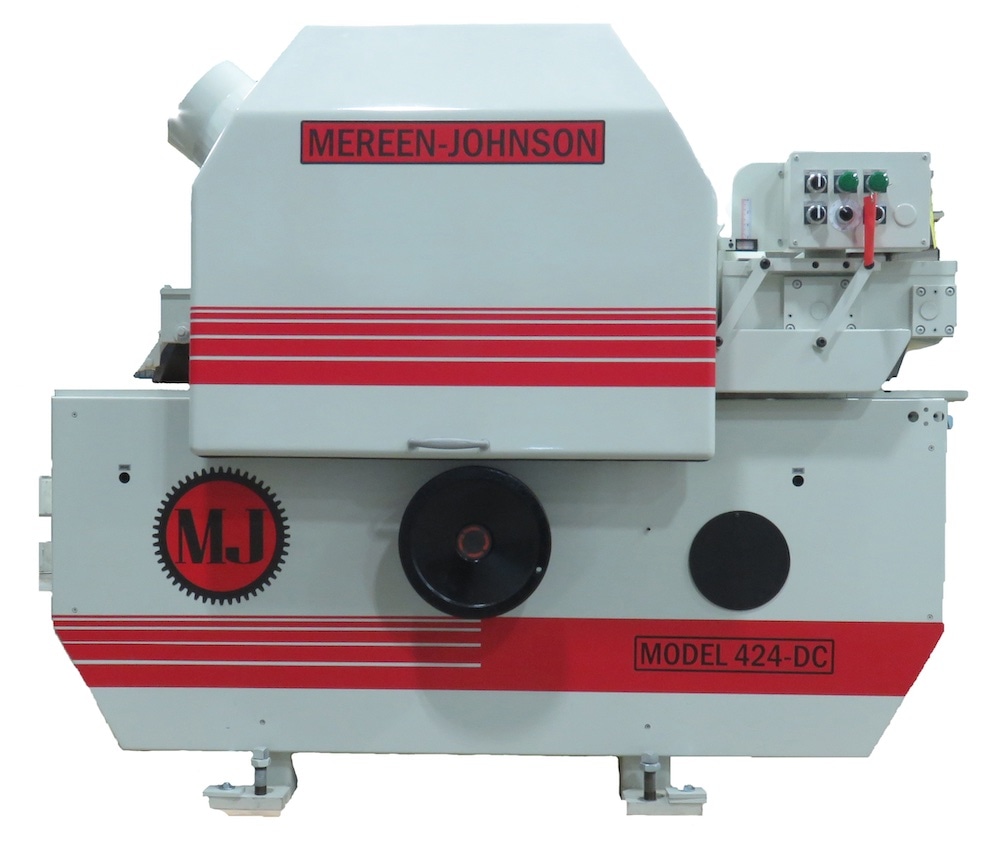
The Mereen-Johnson 400 Series is a fixed arbor rip saw line built for straight-line gang r…
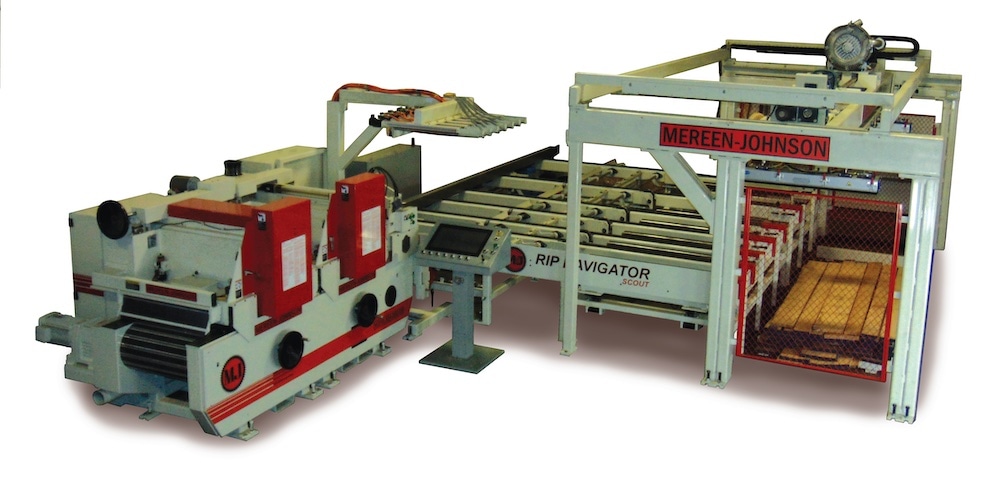
The Mereen-Johnson 524-DC/SR Edging Rip Saw is a double arbor rip saw that edges and rips…
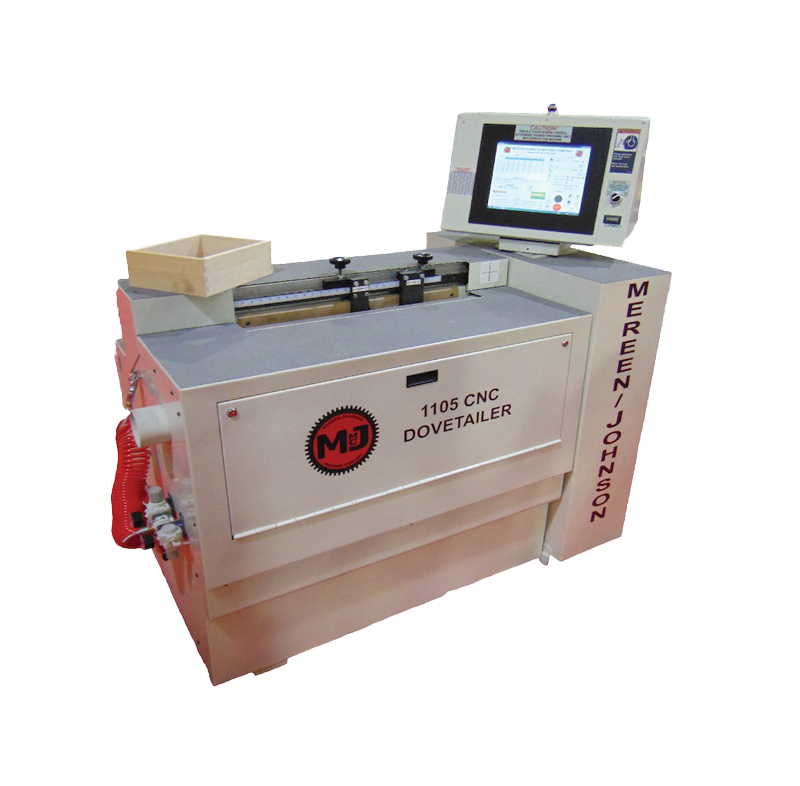
The Mereen-Johnson 1105-H is a high production dovetailer built to cut dovetail drawer joi…
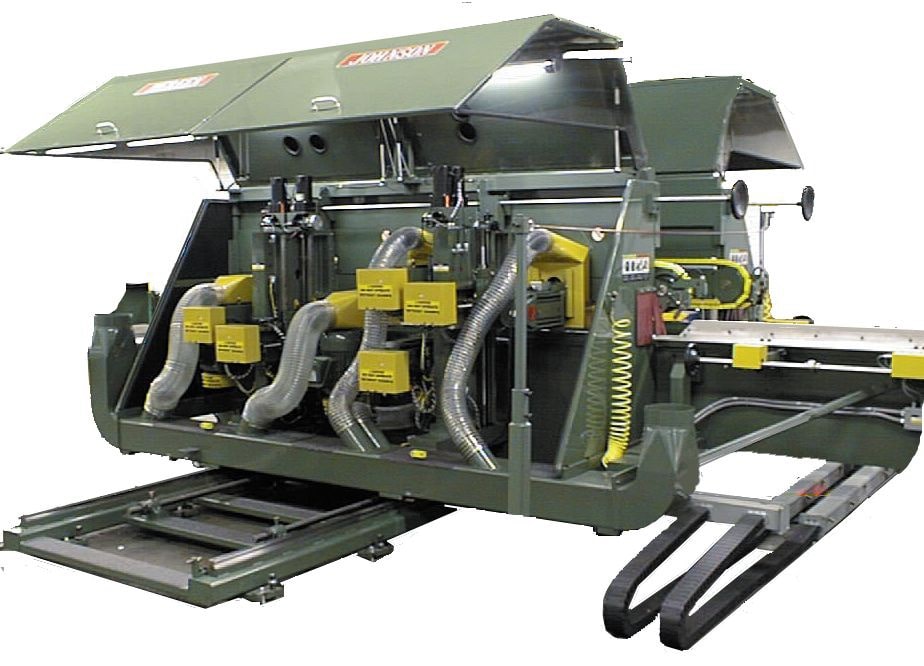
The Mereen-Johnson Double End Tenoner is a two sided tenoning machine that machines both e…
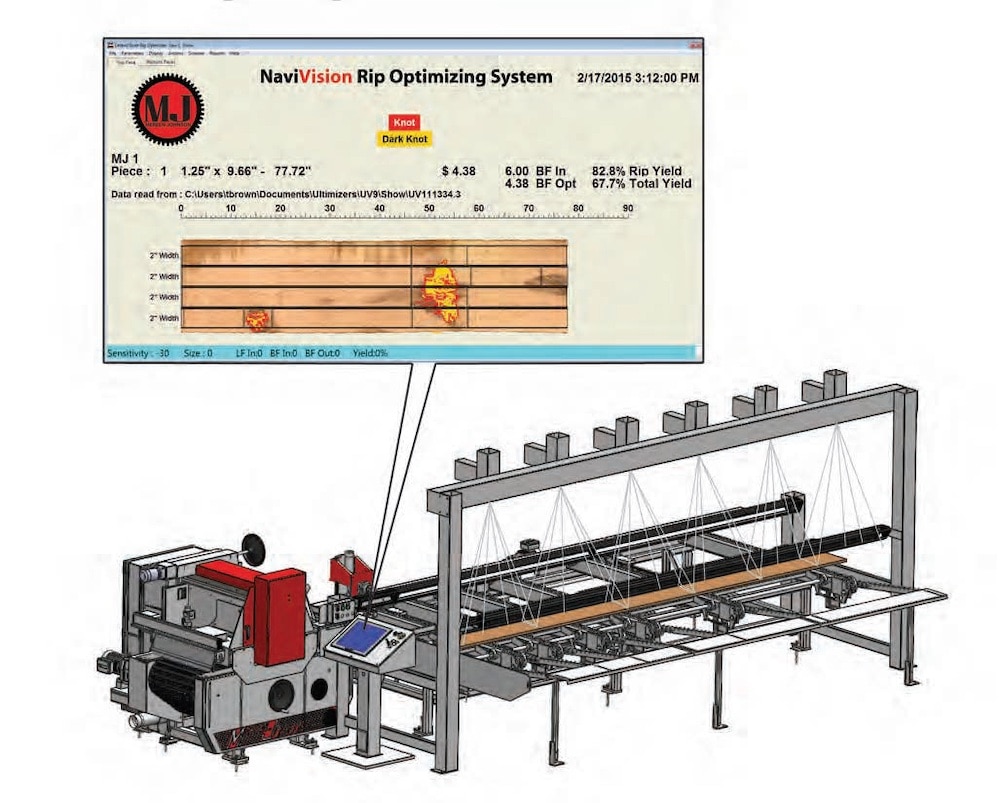
The NaviVision System is a color-camera lumber scanning system that brings automated wood…
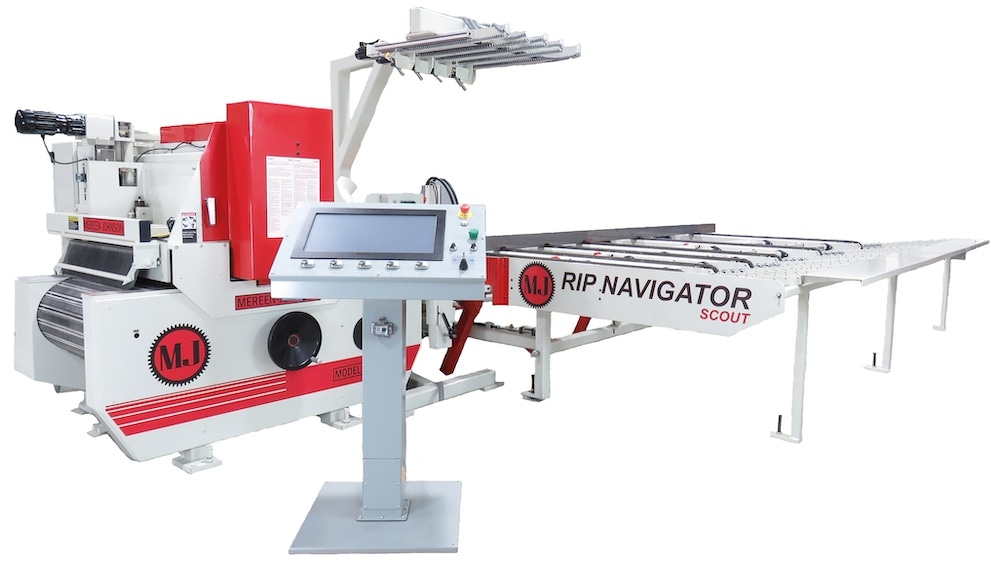
The Rip Navigator Scout is Mereen-Johnson’s largest rip optimization system — a complete,…
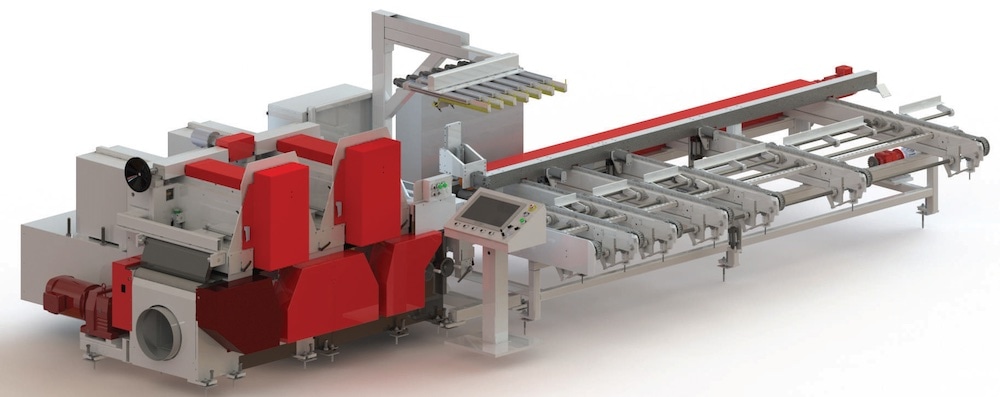
The Mereen-Johnson Roll Feed Rip Saw is a high-speed, shifting blade rip saw built to virt…
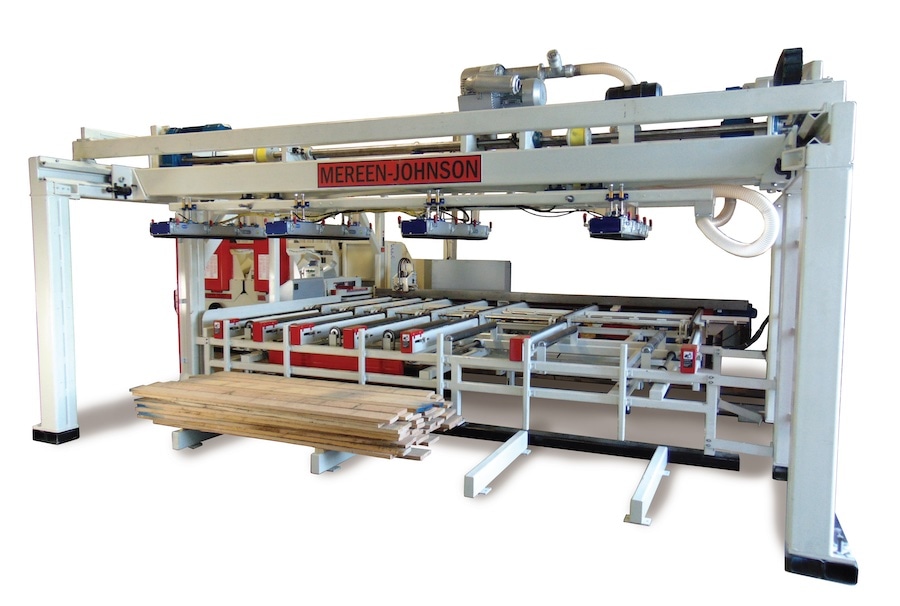
The Mereen-Johnson Scout Loader is an automated lumber loader that feeds deadpacked lumber…
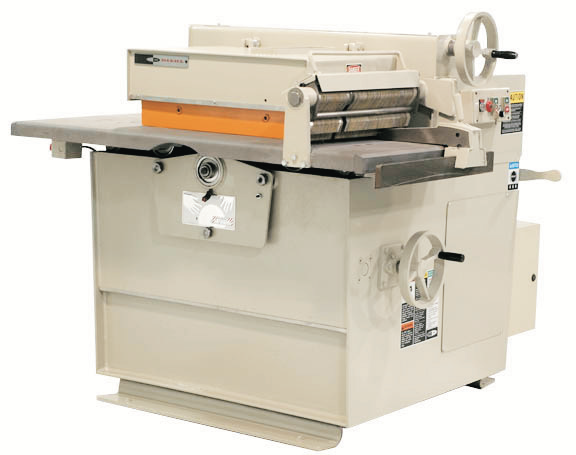
The Diehl MR-90 is an undercutting gang rip saw built to rip short stock that dip-chain sa…
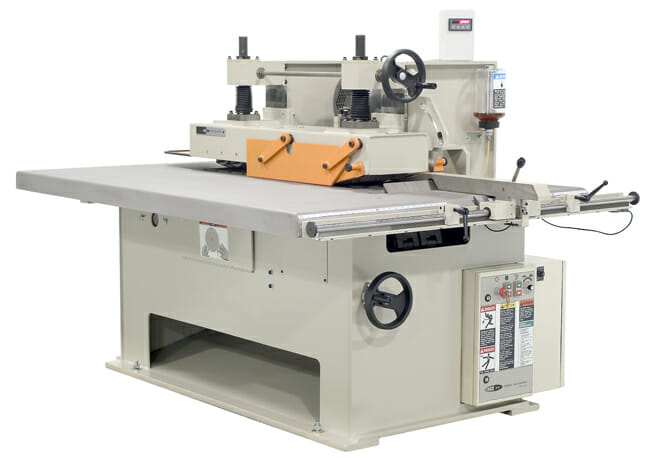
The Diehl SL-65 is a full sized rip saw built for one job done perfectly: a dead-straight,…
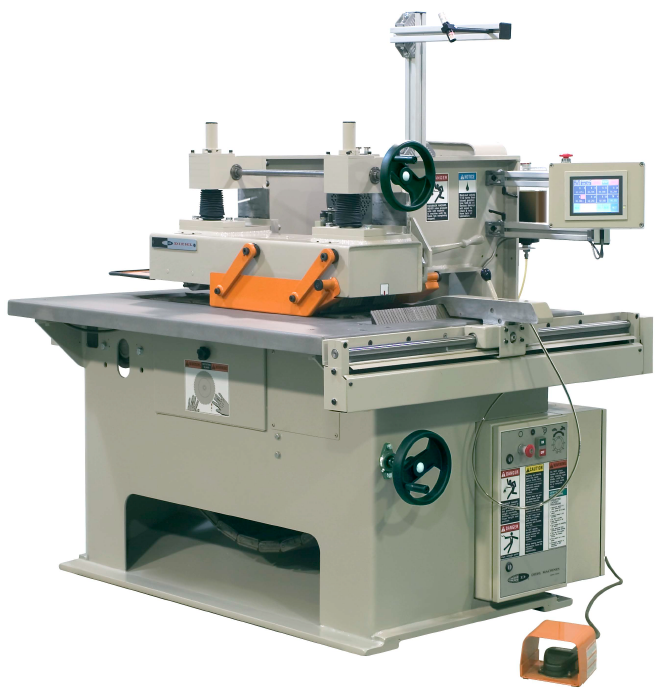
The Diehl SL-30 and SL-35 are Diehl’s entry level and mid size straight line rip saws — sa…
The 900 Series is a push through tenoner: instead of feeding parts loose through the machine, each part is held in a fixture and carried through the machining stations under positive containment — which is what delivers greater precision than feed-through machines.
Because the part is contained in a fixture rather than fed through loose, a push-through tenoner holds tighter tolerances on visible door faces — the reason it’s the preferred approach for raised-panel cabinet doors.
As a raised panel door machine, the 900 Series runs the full cabinet-door sequence under CNC control:
From square-raised doors to arched and cathedral styles, the machine builds consistent raised-panel doors and profiles cabinet-door frames to match — automatically, part after part.
Beyond raised-panel doors, the 900 Series handles a range of profiling and tenoning work:
As a cabinet door profiling machine and panel raising machine in one, it consolidates several door operations into a single, CNC-controlled station.
The Single End Tenoner supports precision profiling across:
Emerging applications: composite and engineered materials — the machine runs wood, composites, and other materials on the same platform.
A single-end tenoner machines one end or edge of a part — tenoning, coping, profiling, panel raising, and contouring. The Mereen-Johnson 900 Series is built especially for panel raising and cabinet door profiling.
A push-through tenoner holds each part in a fixture and carries it through the machining stations under positive containment, rather than feeding parts loose. Fixture containment and linear-rail construction give it greater precision than feed-through machines.
Yes. As a raised panel door machine, it runs the full CNC sequence — measuring the panel, hogging the contour, raising the panel field, shaping the rails, and profile-sanding — including arched, cathedral, flat-top, and eyebrow styles.
It auto-generates standard arch, cathedral, flat-top, and eyebrow contours from simple dimensional input, and measures each part to center the program.
Exclusive servo-driven leading-edge alignment pins, RH and LH servo pin stops, air-actuated containment, and interlocking urethane hold-downs lock each part square — so the cut repeats regardless of run length.
Yes — with optional miter fixture tables that provide up to 50° angle capability.
Wood, composites, and other materials, in high-volume runs or small custom batches.
Yes. The Single End Tenoner is designed and built by Mereen-Johnson in the USA, and can be integrated with moulders and automatic transfers as a single-operator work cell.